
The Federal Government has renovated and commissioned 3,526 primary healthcare centres (PHCs) across the country, with work nearing completion on an additional 91 facilities, in a major push to expand access to affordable healthcare.
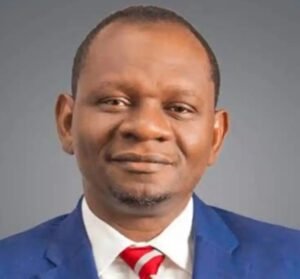
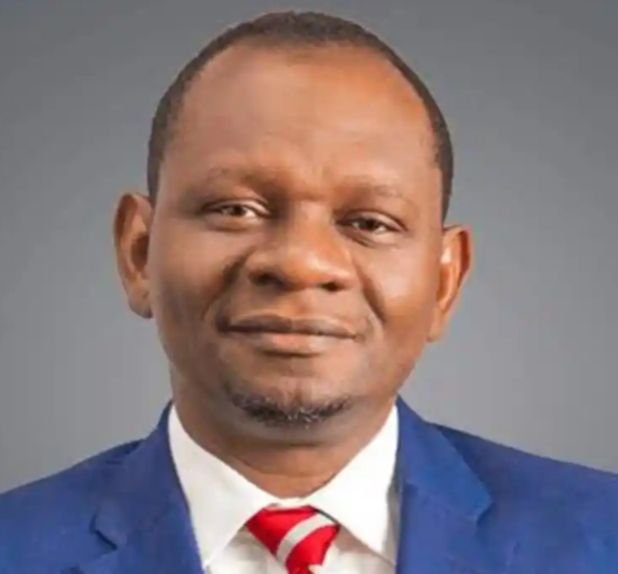
The Executive Director of the National Primary Health Care Development Agency (NPHCDA), Dr Muyi Aina, disclosed this at the agency’s quarterly media briefing in Abuja, saying 4,434 facilities have either been completed or are nearing completion under the ongoing primary healthcare revitalisation programme.
Aina said the renovated facilities had been handed over to state governments and local authorities, adding that the programme was designed to bring essential healthcare services closer to communities and reduce dependence on private providers.
The development comes as the Minister of Health and Social Welfare, Prof. Muhammad Ali Pate, warned that Nigeria is facing a fast-growing burden of non-communicable diseases (NCDs), including hypertension, diabetes, cancer and stroke.
Speaking at the unveiling of a two-volume publication, A Review of Non-Communicable Diseases in Nigeria, produced by the Health Sector Reform Foundation of Nigeria (HERFON), Pate said NCDs were emerging as Nigeria’s greatest health challenge as life expectancy improves and the population ages.
“In the past 30 to 40 years, infectious diseases and maternal and child health were the main issues. They are still with us, but NCDs, though smaller, are becoming an increasingly faster-growing segment of our burden of disease,” he said.
The minister said that while the country had recorded progress in tackling malaria, tuberculosis, HIV and maternal mortality, chronic illnesses presented a different challenge, as patients require lifelong care.
He asked, “Is our health system ready to tackle it?”
Pate called on state governments to increase investment in the health sector, noting that improved fiscal allocations should translate into better healthcare delivery.
He also disclosed that nearly 80,000 frontline health workers had been retrained in the last three years, while training curricula for medical and nursing students had been expanded, doubling the number of medical students.

He added that the Federal Executive Council had approved a N268bn infrastructure project at the National Hospital, Abuja.
The Country Director of the Network for Health Equity and Development (NHED), Dr Emmanuel Sokpo, said the rising NCD burden had serious implications for health equity, particularly for poor and vulnerable Nigerians.

